
SHOT GUIDE · UBUD
Filming the Ubud Monkey Forest without losing your camera
What the monkeys actually grab, the strap and mount setups that beat them, and the current price and rules in 2026.
A mother and her baby on a moss-covered temple statue, a few metres from your lens, looking right at you. That's the picture people come to the Sacred Monkey Forest for, and it's one of the easiest wildlife shots in Bali to get. It's also the easiest place in Bali to lose a phone: the monkeys are bold, quick, and they grab anything loose. Here's how to get the shot and walk out with your gear.
Is it worth it?
Yes, if you want animals and old stone in one short, shaded walk. In an hour and a half you get macaques at arm's length, a stone bridge over a green ravine, and temple gates with roots growing over them. The light under the canopy is soft all morning, which is kinder to faces and fur than open sun.
Skip it, or leave the good camera at the villa, if you know you won't keep both hands on your gear. A monkey will take a phone held out for a photo, and it will take sunglasses off your head. Skip it too if the shot you came to Bali for is aerial: this is a temple sanctuary under thick canopy, and a drone gets you nothing here. And if you're nervous around animals that climb on people, this isn't the place to relax.
The shot
There are three shots worth planning for.

The portrait. A single macaque at eye level, filling the frame, background falling soft behind it. Mothers with babies sit still the longest. You want to be a few metres back for this, not leaning in, which is why a longer lens does double duty here: it keeps you safe and it makes the shot.
The temple and the walk. The mossy statues, the carved stone stairs, the bridge over the ravine, roots swallowing the stone. This is the clip that sets the scene, and it's the one where your hands need to be free on uneven, sometimes slick paths.
The interaction. A monkey crossing the path in front of you, grooming on a wall, drinking from a fountain. Candid, quick, gone in a second.
When to be there
Be at the gate for the 09:00 opening. Recent guides agree on why: the light is soft, the paths are cool and quiet, and the monkeys are active before the heat. It's also calmer, and calmer monkeys are less pushy about your pockets. Tour groups build through mid-morning, so the first hour is the one with clean backgrounds and room to stand.
Late afternoon before closing is the other quiet window, with warmer light, but some monkeys drift deeper into the forest by then and you have less time to work. The dry season, roughly April to October, gives you the most reliable mornings.
Rules and cost
| Entry fee | Rp 130.000 adult, Rp 100.000 child. The sanctuary's own site lists this; older guides still show Rp 80.000, so ignore the lower numbers 1 |
|---|---|
| Opening hours | 09:00 to 18:00 daily, last entry 17:00 1 |
| Time inside | Allow 1.5 to 2 hours for the paths, bridges and temple exteriors 4 |
| The forest | About 12.5 hectares, roughly 1,050 long-tailed macaques by the sanctuary's own count (some guides say 1,260), three temples 2 |
| Feeding | Only staff feed the monkeys, nine times a day. Visitors may not, and no food or plastic bags are allowed inside 2 |
| Handling and distance | Don't touch the monkeys, keep your distance, and avoid direct eye contact, which reads as a challenge 2 |
| Camera and drone rules | None published. The sanctuary's own guidelines list no rule on cameras, tripods or drones 2 |
| Monkey selfie | A staff-run "monkey selfie" costs Rp 50.000 2 |
| Best light and fewest people | Right at the 09:00 opening, before the tour groups 3 |
Last checked 20 September 2026. Fees in Bali change often and differ between gates, so carry cash and treat these as a guide.
No source we checked lists a camera fee or a drone rule for the Monkey Forest, so we say "no published rule found," not "drones are fine." For what the Indonesian sources actually say about flying elsewhere in Bali, see our drone rules guide.
The gear that gets the shot (and comes home with you)
The problem here isn't light, it's theft, so the gear that wins is the gear a monkey can't grab and run with. Two setups cover it.
Capture the whole visit, hands-free. A chest-mounted action camera is strapped to your body, which means both hands stay free on the paths and there's nothing dangling for a monkey to snatch. It also handles the jump from bright gaps to shaded canopy without you touching a setting.
For the portrait you'll frame. A telephoto lets you fill the frame with a macaque's face from a few metres back, which is safer for you and better for the shot. Keep the strap around your neck and both hands on the body. One photographer who shoots here recommends a lens of 50mm and up precisely so you never have to step in close.
Starting points, to adjust on the day:
- Shutter first. Monkeys move fast. Start around 1/500 of a second to freeze a turning head, and raise ISO to keep it there under the canopy.
- Single point, on the eyes. With animal eye-detect, let it lock the eyes. Without it, use a single focus point and put it on the near eye.
- Expose for the fur, not the leaves. Bright gaps behind a dark monkey will fool the meter. Lift the subject and let the background go where it wants. Shoot RAW.
- No flash. There's plenty of soft light, and a flash startles the animals. It's also just rude to them.
What about a phone? A phone shoots fine here, but phones are among the things the monkeys grab most, usually the moment someone holds one out for a close-up. If a phone is your camera, keep it zipped away until you're set, put a strap or grip on it, and never reach it toward a monkey. A stabilised pocket setup is a calmer way to vlog the walk without waving a bare phone around, and it lives in our Everyday Creator Go Bag. If you would rather film the whole walk hands-free, our action camera rentals come with the mounts.
How people actually lose gear here
- The monkeys themselves. This is the real hazard. They grab, and a startled grab-and-run can pull a camera out of your hand and onto stone. Strap everything. Empty and zip the outside pockets of your bag. Take sunglasses off your head, and leave loose jewellery at the villa. If a monkey does jump on you, the sanctuary's own advice isn't to panic: stand up and walk away slowly.
- Teeth and saliva on your gear. A monkey that grabs a lens or a strap will mouth it. Wipe anything they touch, and don't put it back near your face. Bites and scratches happen too, so if one gets you, go straight to the first aid clinic inside the forest and get it looked at properly.
- Snacks in the bag. Monkeys smell food and will work to get into a bag that holds it. Don't carry snacks, and don't bring a plastic bag, which they grab on sight and which isn't allowed inside anyway.
The visit, start to finish
Get to the gate for 09:00 with cash in small notes. Before you go in, take off your sunglasses, zip your pockets, and put a strap on whatever you're shooting with. Film the walk in on the chest-mounted action camera so your hands are free, then switch to the long lens when you find a monkey sitting still. Keep a few metres between you and the animals, shoot from there, and wipe the lens if one gets close. You'll have the temples, the bridge and a run of clean portraits before the first tour group arrives, and you'll still have your phone in your pocket. Most people come here once. It's worth bringing a camera that can reach the shot without putting your hands in the way.
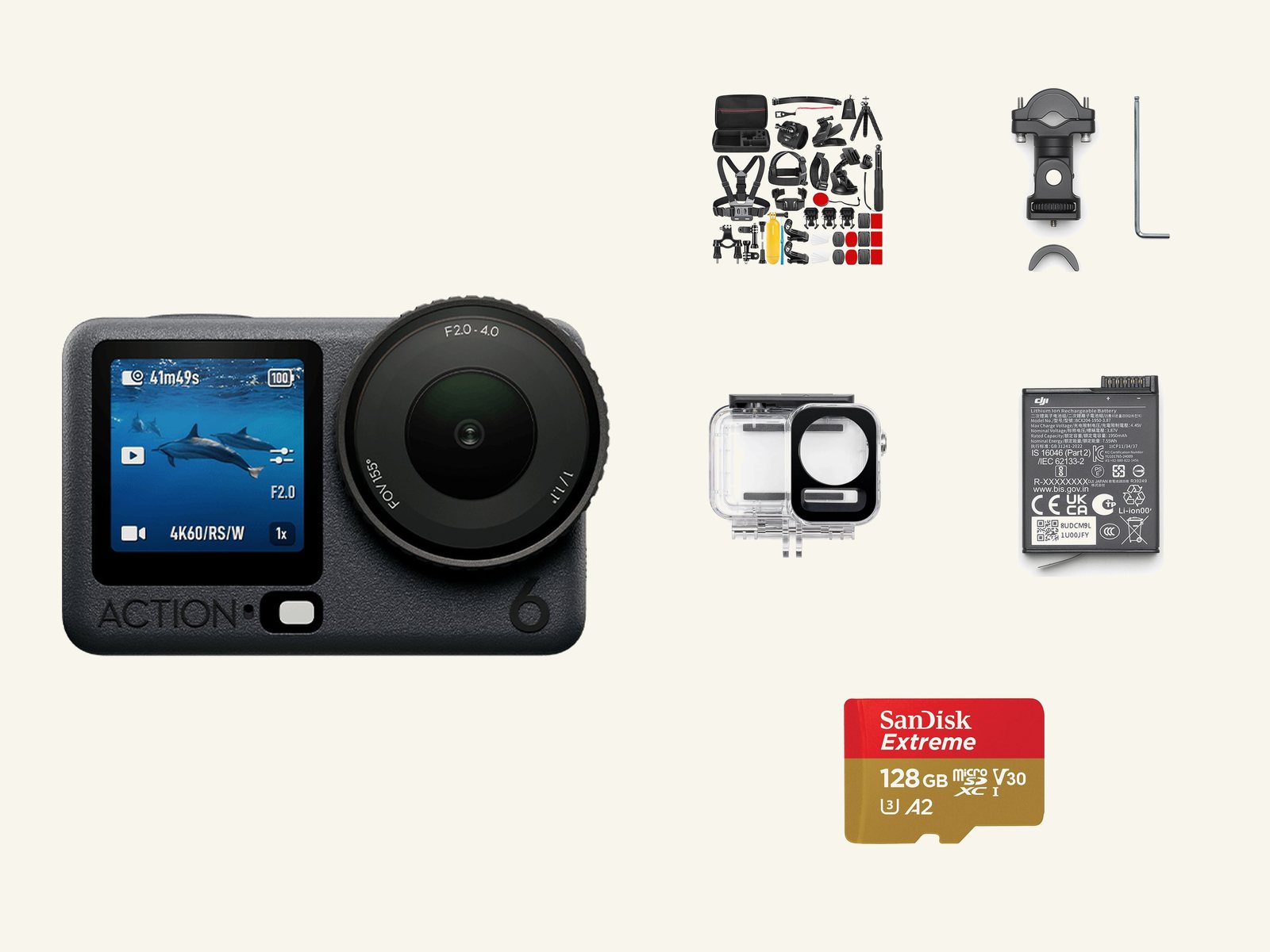 The Go Bag for this dayThe Adventure Creatorfrom Rp 325.000 a day, delivered to your villaAction camera, chest and head mounts and spare batteries in one case: the hands-free, hard-to-grab setup for the forest.See what is inside →
Quick answers
How much is the Ubud Monkey Forest entrance fee in 2026?
Rp 130.000 for adults and Rp 100.000 for children, according to the sanctuary's own site. Older guides that still show Rp 80.000 are out of date.
Will the monkeys steal my camera or phone?
They try. The macaques grab sunglasses, phones, hats, jewellery and loose bags off people all day. Keep a strap on your camera, keep your phone zipped away until you need it, and shoot from a few metres back.
Can I bring a GoPro or action camera into the Monkey Forest?
Yes, and a chest-mounted action camera is one of the safer ways to film here because it's strapped to your body with nothing dangling to grab. A small camera loose in your hand is the easiest thing for a monkey to snatch, so keep it clipped down.
Are drones allowed at the Ubud Monkey Forest?
No published rule was found either way on the sanctuary's own site. It's a temple sanctuary under thick canopy, so a drone gets you nothing here anyway. For the rest of Bali, see our drone rules guide.
What is the best time to visit for photos?
Right at the 09:00 opening. The light is soft, the paths are cool and calm, the monkeys are active, and you beat the tour groups that build up mid-morning.
What camera is best for the Monkey Forest?
For portraits of the monkeys, a mirrorless body with a telephoto zoom lets you fill the frame from a safe distance. For the walk through the temples and bridges, a chest-mounted action camera keeps both hands free and stays out of reach.
Sources
- Monkey Forest Ubud (official): opening hours, maps and entrance fees
- Monkey Forest Ubud (official): guidelines and FAQ, dos and don'ts
- Bali Holiday Secrets: Ubud Monkey Forest 2026 guide, entrance fee and visitor tips (updated 9 June 2026)
- Base Bali Tours: Sacred Monkey Forest Ubud guide 2026, tickets, tips and rules
- The World Travel Guy: Sacred Monkey Forest Ubud sanctuary, what the monkeys grab and how to protect gear
- What Do You Sea: Ubud Monkey Forest tips and photography guide, lenses and keeping a camera safe